What are a PCBU’s responsibilities for managing silica dust from engineered stone?
As a PCBU, you are legally required to protect workers and others from the health risks of respirable crystalline silica dust. This means identifying tasks that generate silica dust, completing a risk assessment, and eliminating the risk where reasonably practicable, such as by using lower-silica materials. Where elimination isn’t possible, you must minimise exposure through effective dust control measures, including on-tool extraction, local exhaust ventilation (LEV), and properly designed industrial dust extraction systems. With no safe level of silica exposure and serious diseases like silicosis linked to engineered stone, prevention through robust dust extraction and ventilation controls is essential.
The risks associated with respirable crystalline silica (RCS) are no longer theoretical. A recent RNZ investigation into engineered stone fabrication highlighted the very real human cost of exposure, with research suggesting hundreds of New Zealand workers may develop silica-related diseases after prolonged contact with high-silica materials. While Australia has already banned engineered stone, New Zealand businesses are still operating in a regulatory grey area, placing greater responsibility on PCBUs to act decisively to protect workers.
For businesses involved in cutting, grinding or fabricating engineered stone, concrete, masonry or similar materials, silica dust is a critical health hazard. Accelerated silicosis can develop after relatively short exposure periods, and once symptoms appear, the damage is irreversible. This makes prevention the only acceptable approach.
What WorkSafe Expects from PCBUs
WorkSafe is clear: as a PCBU, you must ensure the health and safety of workers and ensure that others are not put at risk by your work. Before any work involving artificial or engineered stone begins, PCBUs are required to complete a risk assessment and review their control measures. This includes identifying tasks that generate grinding dust and silica dust, and taking steps to either eliminate or minimise those risks so far as is reasonably practicable.
Elimination should always be the first consideration. WorkSafe specifically advises using alternative products where possible, including materials with a lower silica content. Engineered stone can contain up to 90% silica, compared with natural stone such as marble or limestone, which may contain as little as 2%. Where elimination isn’t achievable, the focus must shift to robust, well-designed control measures that reduce airborne dust at the source.
Dust Control Is A Legal Obligation
Effective dust control sits at the centre of silica risk management and is a legal requirement under New Zealand health and safety legislation. WorkSafe guidance emphasises isolating dust-generating tasks wherever practicable, including through the use of physical barriers or enclosed CNC machinery, and selecting equipment with integrated dust suppression or on-tool extraction features.
All tools used for cutting, grinding or polishing silica-containing materials must be fitted with water suppression or effective local exhaust ventilation to prevent respirable dust becoming airborne. Wet-working is particularly important, as freshly generated silica particles are more toxic than older, weathered particles. The use of water not only suppresses dust at the source but also accelerates the weathering process, reducing the toxicity of newly exposed silica surfaces.
Critically, any dust-generating equipment must be connected to a suitable industrial dust extraction system capable of capturing fine respirable particles before they reach the worker’s breathing zone. Purpose-built dust extraction systems significantly outperform improvised or domestic solutions. Household vacuum cleaners, for example, are explicitly unsuitable for silica dust and can worsen exposure by redistributing fine particles back into the air.
Silica dust particles are extremely fine, which means not all dust extractors are fit for purpose. An effective industrial dust extractor must be capable of capturing fine particulate, maintaining airflow under load, and filtering exhaust air before it is returned to the workspace. This is particularly important for mobile tasks such as on-site benchtop installation, where a mobile dust extraction system or construction dust extractor may be required.
At Egmont Air, we design and supply dust extraction systems NZ businesses can rely on for high-risk applications. This includes high-efficiency cartridge filter systems and cartridge dust collectors that are specifically engineered to handle fine dust loads associated with silica, timber, and grinding operations. Compared to basic bag-based systems, a cartridge dust collector or baghouse filter delivers superior filtration efficiency while maintaining consistent airflow.
No two workshops or sites are the same, which is why dust extraction system design is critical. A well-designed industrial dust extraction system considers airflow, capture velocity, ducting layout, fan selection and filtration performance as a complete system. Components such as centrifugal fans and dust extraction fans must be matched correctly to the application to ensure dust is captured at the source, not after it has already dispersed.
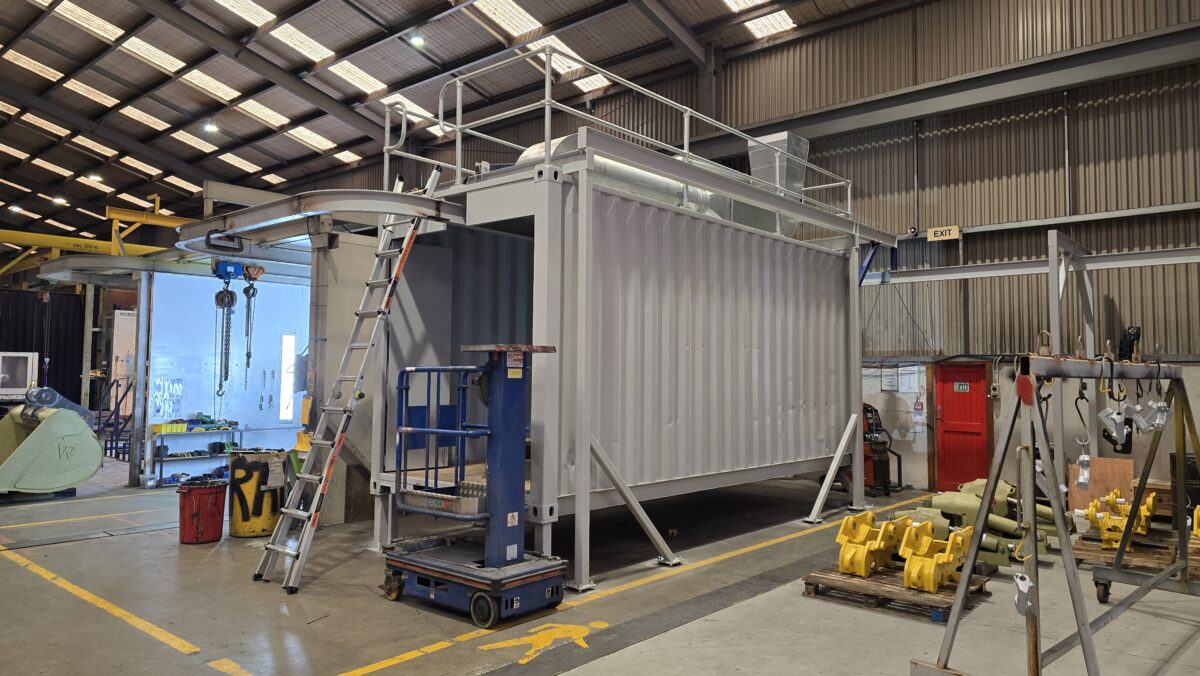
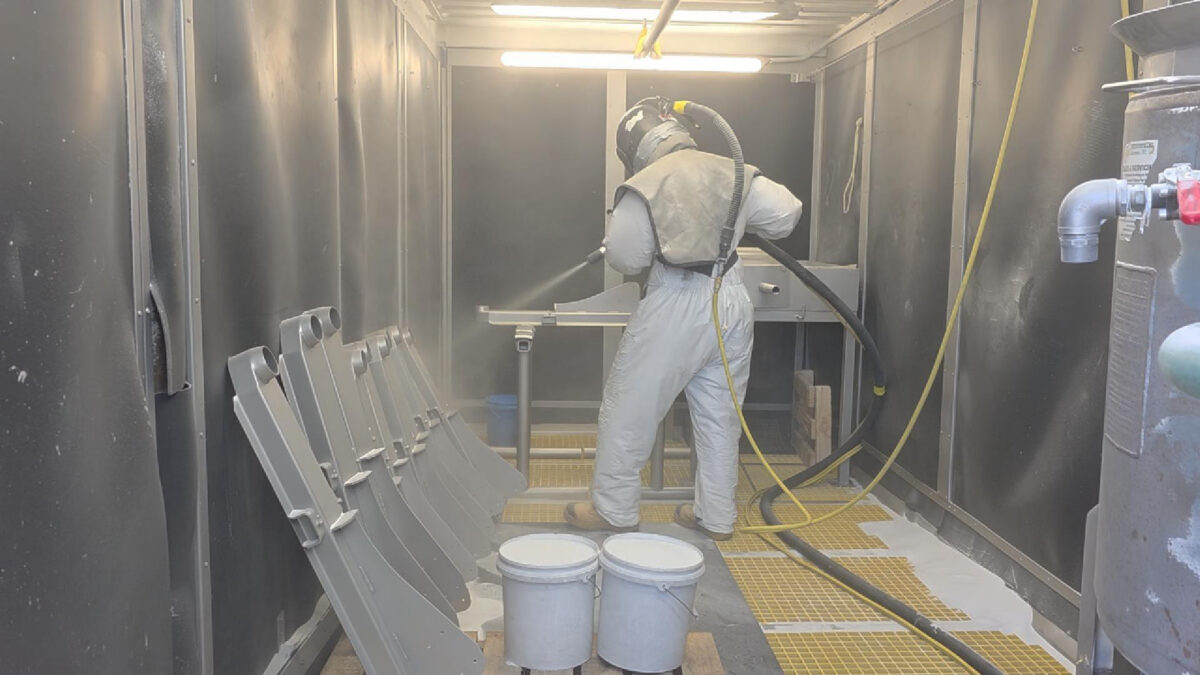
In some applications, particularly grinding, finishing, or large fabricated components, a traditional point-source capture system isn’t always the most practical solution. In these cases, Egmont Air often recommends a dedicated grinding bay dust extraction setup. This approach gives operators full flexibility and freedom of movement while still delivering effective control of airborne contaminants.
A grinding bay system is designed to create a controlled cross-draft airflow across the work zone, drawing dust and fumes away from the operator’s breathing zone and into strategically positioned extraction points. Rather than relying on fixed hoods that can restrict access or be bypassed during real-world use, the airflow pattern itself becomes the capture mechanism. This is especially effective for large parts, or tasks where tools and operator position are constantly changing.
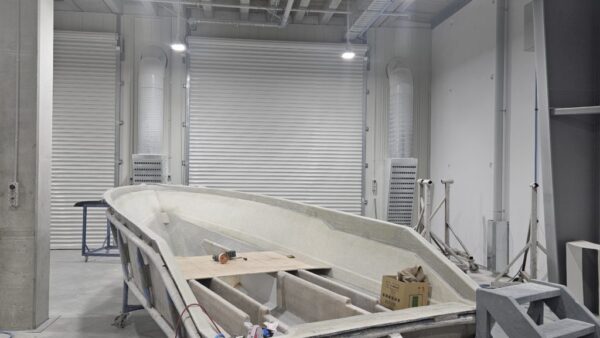
As shown in the example, these bays are typically integrated with high-capacity dust extraction fans, well-balanced ducting, and high-efficiency filtration to manage the heavy particulate generated during grinding. When designed correctly, the system protects workers, maintains visibility, and prevents dust from migrating into surrounding areas of the facility. Egmont Air’s team designs grinding bays as part of the overall dust extraction strategy, ensuring airflow, fan selection, and filtration all work together to deliver compliant and practical outcomes on the workshop floor.
Supporting Compliance Beyond the Workshop
WorkSafe also requires that dust waste is handled safely, with sealed bags disposed of correctly to prevent secondary exposure. A properly designed industrial dust extractor vacuum system supports this by containing dust within sealed collection units, reducing manual handling and the risk of re-exposure during cleanup.
For tasks involving fumes as well as particulate, such as grinding, welding or finishing, solutions like an extraction arm, dust extraction hood, portable fume extractor or industrial fume extractor provide targeted capture at the source. A mobile fume extractor can be particularly valuable where tasks change frequently or where permanent ducting isn’t practical.
An often-overlooked but highly effective control measure is on-tool dust extraction, which captures silica dust at the point it is generated, before it has a chance to become airborne. WorkSafe guidance is clear that tools used for cutting, grinding or polishing should be fitted with integrated dust control features, such as shrouds connected to a suitable industrial dust extractor. When correctly specified, on-tool dust extraction significantly reduces worker exposure by preventing fine particles from dispersing into the wider workspace. Egmont Air supplies on-tool dust extraction solutions (also known as Local Exhaust Ventilation or LEV) designed to integrate with cutting and grinding equipment, connecting directly to high-performance dust extraction systems, cartridge dust collectors or mobile dust extraction systems. This approach not only supports PCBU compliance but also improves overall air quality across workshops and client premises where silica dust would otherwise linger long after work has stopped.
Leading on Safety, Not Waiting for Regulation
The RNZ article highlights a growing divide between businesses waiting for regulation and those choosing to lead on worker safety. While government decisions around engineered stone are still under review, the obligations of PCBUs are already clear. If a risk is known, and controls exist to reduce it, taking action is not optional.
At Egmont Air, we work with PCBUs across manufacturing and fabrication to design industrial dust extraction systems that meet WorkSafe expectations and protect workers from long-term harm. Whether you’re reviewing your current controls or planning a new installation, the right dust extraction system can make the difference between compliance on paper and genuine protection on site.
If you’re dealing with silica dust and want practical, fit-for-purpose solutions, talk to Egmont Air about dust extraction system design that puts worker health first. Give Cameron or Todd a call now.
Frequently Asked Questions About Silica Dust
How do you dispose of silica dust safely?
Silica dust must be sealed and disposed of in a way that prevents re-exposure. Collected dust should be contained in heavy-duty plastic bags or enclosed bins, securely sealed before removal, and disposed of via the appropriate waste stream. Dust must never be tipped, shaken, dry swept, or blown with compressed air, as this can reintroduce respirable silica into the air. Properly designed dust extraction systems with sealed collection make safe disposal significantly easier and safer.
How much silica dust causes silicosis?
There is no safe level of exposure to respirable crystalline silica dust. Silicosis can develop after long-term exposure to low levels, or much more quickly after short-term exposure to high concentrations. In some cases, workers exposed to very high levels of silica dust have developed accelerated silicosis within just a few years. This is why WorkSafe requires PCBUs to eliminate or minimise exposure so far as is reasonably practicable, rather than relying on exposure limits alone.
How far does silica dust travel?
Silica dust can travel much further than most people expect. Fine particles can remain airborne and spread throughout a workshop, job site, or even neighbouring areas via airflow, foot traffic, clothing and tools. Without effective dust extraction and containment, silica dust can contaminate clean areas and expose workers who are not directly involved in the task.