Overview
WorkSafe New Zealand has announced a nationwide programme of proactive visits to food manufacturers over the coming months, and dust extraction for food manufacturers is one of the areas set to come under the spotlight. From bakeries and confectionery makers to grain, dairy, and fruit and vegetable processors, inspectors will be checking in on how well businesses are managing everyday risks — including the flour, powder, and ingredient dust that’s part and parcel of food production.
The good news is that this isn’t about catching businesses out. WorkSafe’s own figures show that most companies visited come away with practical improvements they can act on straight away. For food manufacturers, dust extraction is one of the simplest wins available — and one that pays off well beyond the visit itself.
Why Flour and Ingredient Dust Deserves Attention
Fine dust from flour, sugar, starch, and other dry ingredients is a normal by-product of food processing, but it’s not something to take lightly. Airborne dust can affect the air workers breathe, settle on equipment and surfaces, and in enough concentration, create a genuine fire or explosion hazard. It can also find its way back into the product itself, raising contamination concerns in an industry where hygiene standards are non-negotiable.
None of this is new to experienced operators. What’s changed is the level of scrutiny, with WorkSafe specifically calling out dust and fume controls as one of the common gaps found during past assessments.
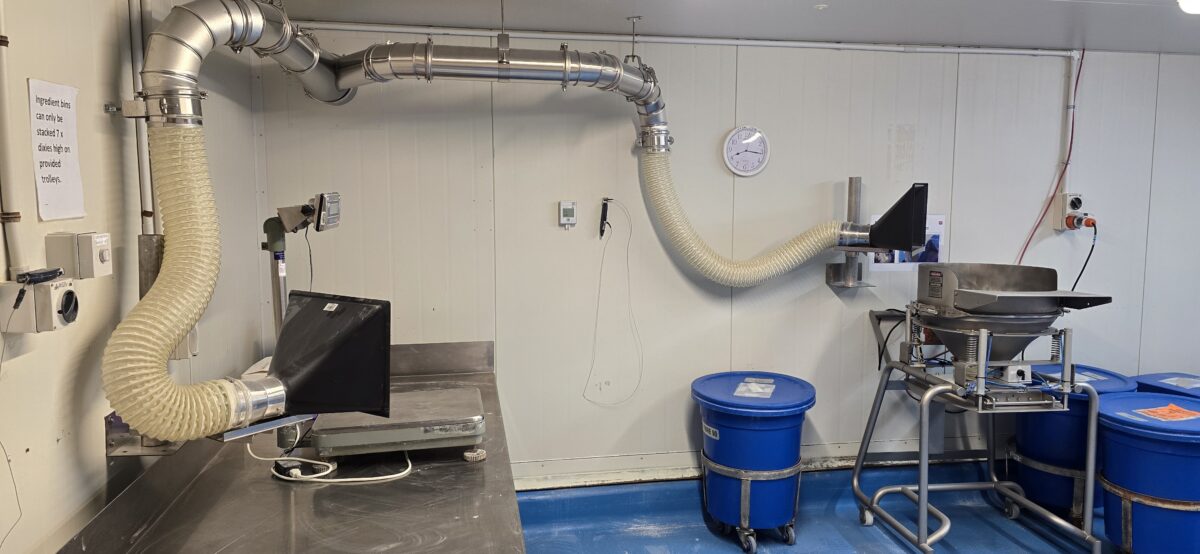
Getting on top of ingredient dust doesn’t need to mean a complete overhaul of your production line. Effective systems are usually built around a few key elements:
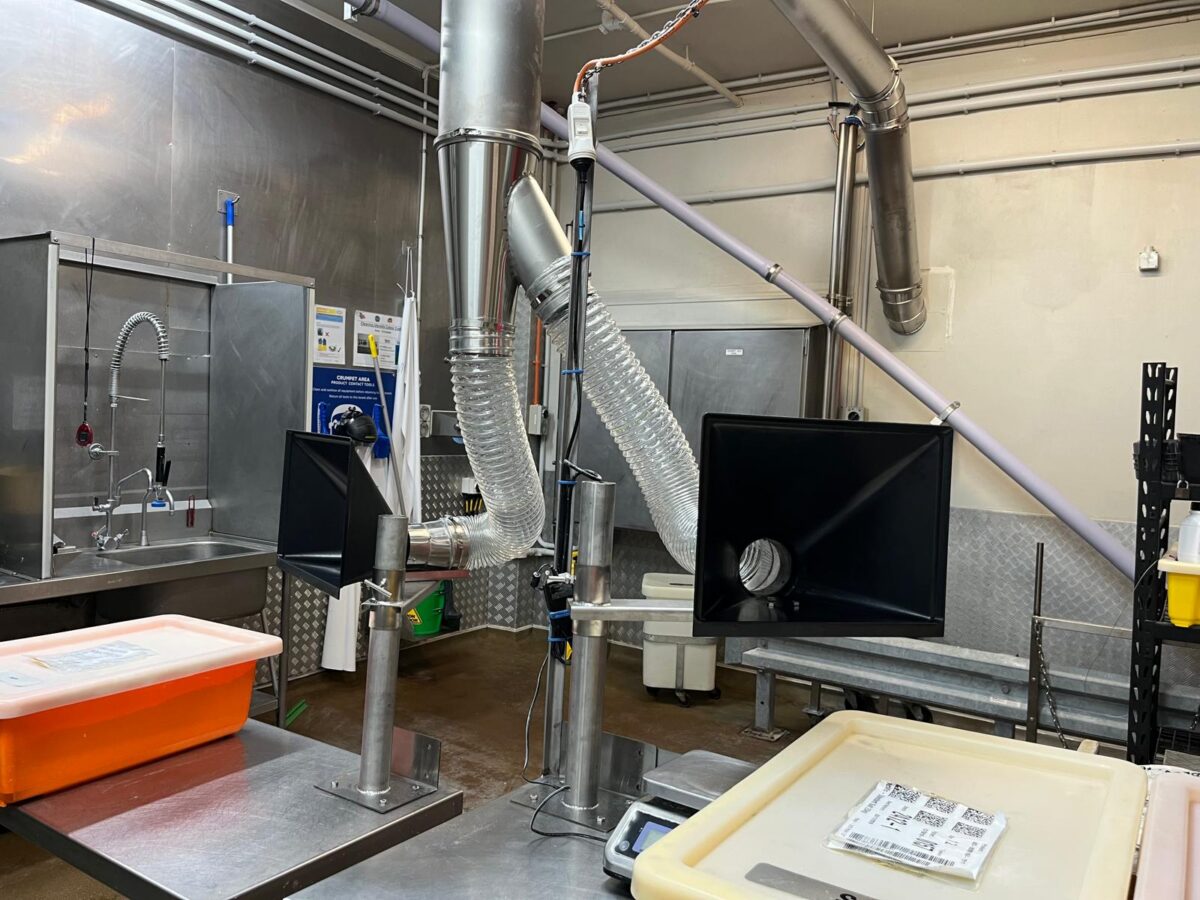
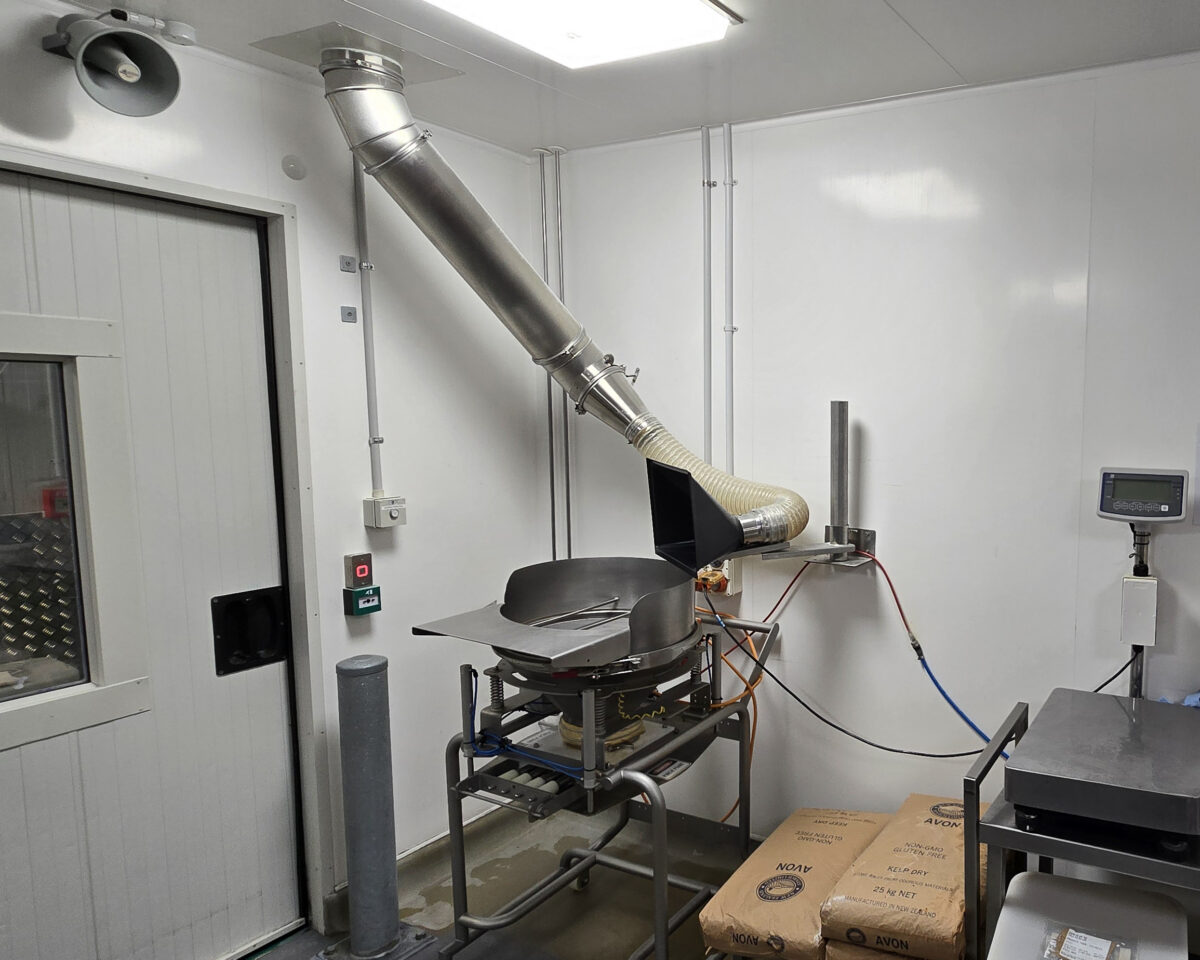
- Capture at the source — hoods, arms, or enclosures positioned close to mixers, sifters, and packing lines to pull dust away before it spreads
- Reliable filtration — cartridge dust collectors or baghouse filters sized correctly for the volume and type of dust being produced
- Clean ducting and airflow — a well-designed system that keeps suction consistent along the full length of the line
- Easy maintenance — self-cleaning filters and accessible service points so the system keeps performing without adding to the daily workload
A well-designed extraction system protects your team, keeps your product clean, and gives you a straightforward answer if a WorkSafe inspector asks how airborne dust is being managed on site.
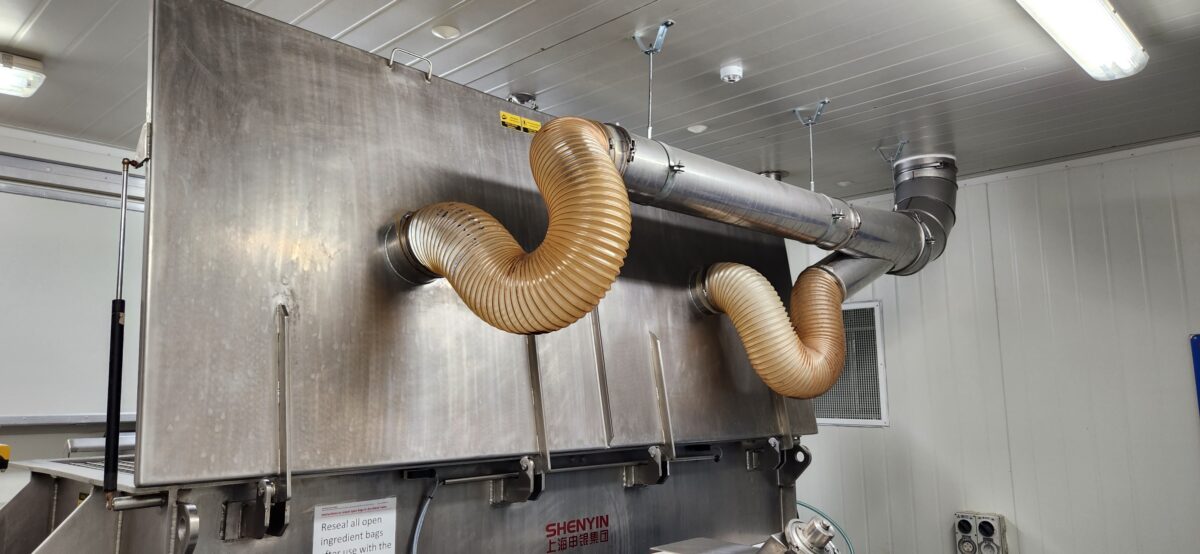
Getting Ready Before the Visit
If a visit notice lands, there’s no need to panic — a bit of preparation goes a long way. Walking the production floor with fresh eyes, checking extraction points are actually capturing dust where it’s generated, and confirming filters and ducting are in good order are all things that can be sorted well ahead of time. For sites without a dedicated extraction system, or where the current setup hasn’t kept pace with production changes, now is a good time for a proper look.
Egmont Air has spent over three decades designing dust and fume extraction systems for New Zealand manufacturers, including food and beverage producers across the country. The team handles the process from start to finish — an initial site visit to see exactly where dust is being generated, straightforward design advice on what will and won’t work for the space, and installation carried out with minimal disruption to daily production. We know food manufacturing sites don’t have spare time for this — our aim is to make getting extraction right as easy as possible.
Frequently Asked Questions
Do I need dust extraction for flour and powdered ingredients?
Yes. Fine dust from flour, sugar, and other dry ingredients poses respiratory, contamination, and fire or explosion risks if it isn’t properly controlled. Extraction is a standard requirement across most food processing environments.
What type of extraction system suits a food manufacturing site?
This depends on the process, volume of dust produced, and available space. Common solutions include cartridge dust collectors and baghouse filters paired with capture hoods positioned at mixers, sifters, and packing lines.
How do I know if my current system is still adequate?
If production volumes or processes have changed since the system was installed, or if dust is visibly settling on surfaces, it’s worth having the system reviewed. A site visit can quickly identify any gaps.
Does WorkSafe expect a specific type of extraction system?
WorkSafe doesn’t mandate a particular brand or design — the focus is on whether dust is being effectively controlled. A system that’s correctly sized and well maintained is the key requirement.
Ready to review how dust extraction is managed on your site? Get in touch with the Egmont Air team for a free consultation.