
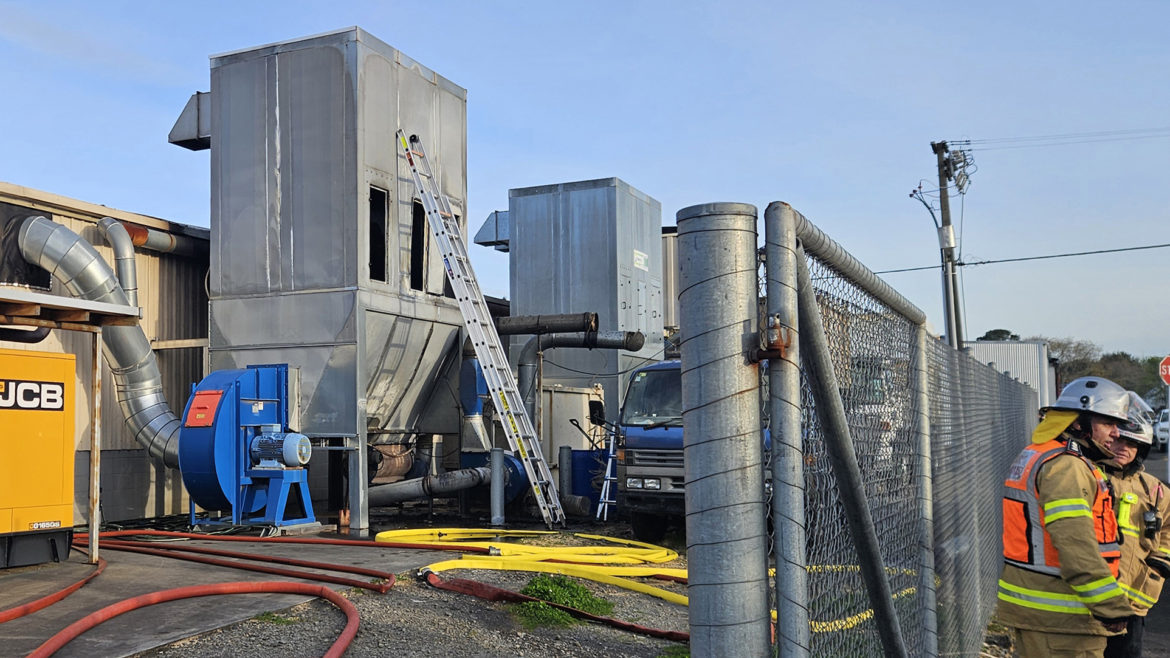
In industries dealing with fine powders, fibres, or dust, from food processing to timber to advanced composites, the risk of a dust explosion is a silent but serious threat. A single spark in the wrong conditions can lead to devastating consequences.
But here’s the bigger question: would your current dust control systems stand up to regulatory scrutiny under NZ’s safety standards and the AS/NZS 60079 series?
Many businesses assume their extraction systems are “good enough”, until an incident, audit, or WorkSafe investigation proves otherwise. The truth is, if you handle explosive dusts like flour, grain, aluminium, fibreglass, carbon fibre, or even urea, your responsibilities are much higher.
At Egmont Air, we work with clients across NZ to ensure complete compliance, not just by supplying certified dust extraction systems, but by helping you interpret the standards, design safe systems, and install the right protective features for real‑world risks. In this blog we walk you through this process with the view to get you asking the right questions about onsite safety as it relates to combustible dusts.
What Are Explosive Dusts in NZ?
Often manufacturers ask, ‘Is my dust actually explosive?’. Explosive or combustible dusts are a serious hazard across many New Zealand industries. In food manufacturing, fine powders like flour, sugar, starches, and spice blends are well-known for their potential to ignite. Flour dust explosions, in particular, are a recognised risk. The timber industry faces similar dangers with sawdust, wood dust, and fine fibres. In sectors working with composite materials, dust from aluminium, carbon fibre, and fibreglass can also become highly combustible. Even industries handling cement, coal dust, or urea are at risk, as all of these substances can ignite under the right conditions.
The risk is that dust accumulates (on surfaces or in layers), then becomes airborne (clouds), and if there is an ignition source, a “dust explosion” can occur. Even a small ignition can trigger a chain reaction.
To mitigate this risk, it’s essential to maintain clean, dust-free workspaces and implement the right dust extraction solution for your specific processes.
What NZ standards apply for explosive dusts?
In New Zealand, explosive dust management is governed by the AS/NZS 60079 series, based on the international IEC 60079 standard. Key parts include:
- AS/NZS 60079.10.2: Classifying areas with combustible dust.
- AS/NZS 60079.14: Electrical installation in hazardous areas.
- AS/NZS 60079.31: Equipment protection by enclosure (‘t’ method).
- AS/NZS 60079.0: General requirements for Ex equipment.
ATEX and IECEx certification systems are also recognised in NZ for equipment compliance. Egmont Air supply systems and components that are compliant with AS/NZS 60079, and we ensure your equipment (such as dust extractors, ducting, motors, filters) meets or exceeds the standard required for explosive atmospheres.
What kind of explosion protection do I actually need?
If you’re handling explosive dusts, your equipment and dust extraction systems must be built to mitigate explosion risk. Key safety features include:
- Safety non-return valves – prevents explosion propagation back into equipment.
- Explosion relief vents (horizontal/vertical) – safely redirect pressure from explosions.
- Flameless venting – contains explosion flames without external blast risk.
We offer a new range of ATEX Dust Extractors, specifically engineered for combustible dust environments. These systems are fitted with all critical explosion safety features, and designed to comply with both IEC 60079 and AS/NZS standards. Here Todd Prestidge (Clean Air Consultant, Egmont Air) walks us through what ATEX means and why it may be the perfect fit for your workspace.
| “In ATEX, the design must incorporate multiple layers of explosion protection beyond just basic containment. A critical component is a safety non‑return (isolation) valve, which closes in the event of a back‑blast or flame front to prevent the explosion propagating through ductwork and into other parts of the system. Extraction units often include explosion relief vents (or panels) arranged horizontally (or in other orientations) that rupture at a pre‑determined pressure to safely vent overpressure and flame.
More recently, vertical explosion venting trends have emerged. In such systems, venting in the vertical direction helps manage recoil forces and assists in integration with roof or stack arrangements. Overall, a well‑engineered ATEX dust extraction system is a composite of isolation devices, relief or venting elements (horizontal and/or vertical), and flame‑quenching technologies all sized, located, and certified to work together under the relevant directives and standards.
Give me a call, and I’ll walk you through our new ATEX systems – and design the right solution for your space – Todd – 0800 781 200 |

What extraction equipment should I use for combustible dust?
You must use a certified dust extraction system that matches the nature and volume of dust you generate. Depending on your operation, this may include:
- Industrial dust extractor
- Dust extraction hoods
- Extraction arms
- Portable or mobile dust extraction systems
- Construction/commercial grade dust extractors
- Dust extractor vacuums
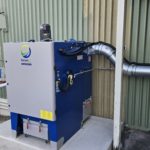
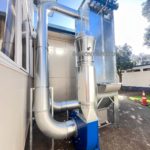
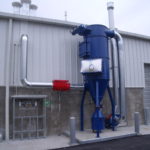
At Egmont Air we custom-design each industrial dust extraction system based on your dust load, air volume, zone classification, and work process. From mobile dust extractors to complete ducted systems with flameproof components, we ensure both operational efficiency and legal compliance.
What are my responsibilities under NZ law?
As a PCBU (Person Conducting a Business or Undertaking), you’re legally obligated under the Health and Safety at Work Act 2015 to identify and eliminate or minimise risks from explosive dusts. You must ensure:
- Areas are properly classified (Zone 20/21/22 for dust).
- Certified equipment is installed in those zones.
- Regular cleaning and maintenance are carried out.
- You have evidence of compliance (certifications, risk assessments).
As a trusted locally owned business with decades of experience, we don’t just drop off equipment, we design, install, certify, and maintain dust extraction systems that keep you compliant. We also assist in documentation and safety audits, ensuring you’re ready if WorkSafe or insurance come knocking.
Explosive dusts are often underestimated, but the risks are real and compliance is not optional. By following the AS/NZS 60079 series, properly classifying areas, using certified Ex equipment, and having robust extraction & protection features, you can significantly reduce your risk of a combustible dust explosion (whether flour dust, aluminium dust, or others).
If you’d like a free site assessment or an audit of your dust extraction / explosion protection systems, contact Egmont Air today.