Overview
If you work in manufacturing, fabrication, joinery, or food production, chances are dust, fumes, or airborne particles are just part of the job. The question isn’t always obvious though: how do you know when it’s a genuine health risk, and when it’s just… dusty?
WorkSafe NZ has just released a new guide to working with occupational hygienists, aimed at helping businesses understand when to bring in a specialist to assess exposure risks like dust, noise, and fumes, and what that process looks like. It’s a useful resource, and if you’re weighing up whether your site needs a proper assessment, it’s worth a read.
But here’s the thing: you don’t need to wait for a hygienist’s report to start improving your site. Plenty of businesses already know they’ve got a dust or fume problem — they can see it, smell it, or hear it in the cough of someone walking off the factory floor at the end of a shift. If that’s you, you don’t need permission to act. And if you’ve already had an assessment done and know exactly what you’re dealing with, that’s an even better starting point.
Either way, once the problem is identified, the fix is usually the same: proper dust or fume extraction NZ workplaces can rely on to actually solve the issue at the source, not just manage around it.
When Does an Occupational Hygienist Make Sense?
WorkSafe’s guide is genuinely helpful if:
✅ You’re not sure how serious your exposure risk is
✅ You need documented, measured data for compliance or insurance purposes
✅ You want an independent, specialist opinion before investing in a solution
✅ You’re dealing with a complex site with multiple hazard types
An occupational hygienist will measure exposure levels, help you understand where you sit against workplace exposure standards, and give you a clear picture of what’s actually going on in your air.
And When You Already Know
Sometimes the signs are obvious enough that you don’t need a formal assessment to justify taking action:
✅ Visible dust settling on surfaces, machinery, or in the air
✅ Staff reporting irritation, coughing, or discomfort
✅ Fumes from welding, spraying, or thermal processes with no local extraction
✅ A near-miss, complaint, or WorkSafe visit that’s prompted a rethink
In either case, the goal is the same: engineering controls that remove the hazard at the source, rather than relying solely on PPE. This lines up with WorkSafe’s own hierarchy of controls — extraction and ventilation systems sit above respirators and masks because they deal with the problem before it reaches anyone’s lungs.
If you’re somewhere in between — you suspect there’s a problem but want a professional opinion before deciding what to do — Egmont Air also offers dust extraction system audits, reviewing your current setup’s performance, filtration, and compliance against NZ safety standards.
A Note for Occupational Hygienists
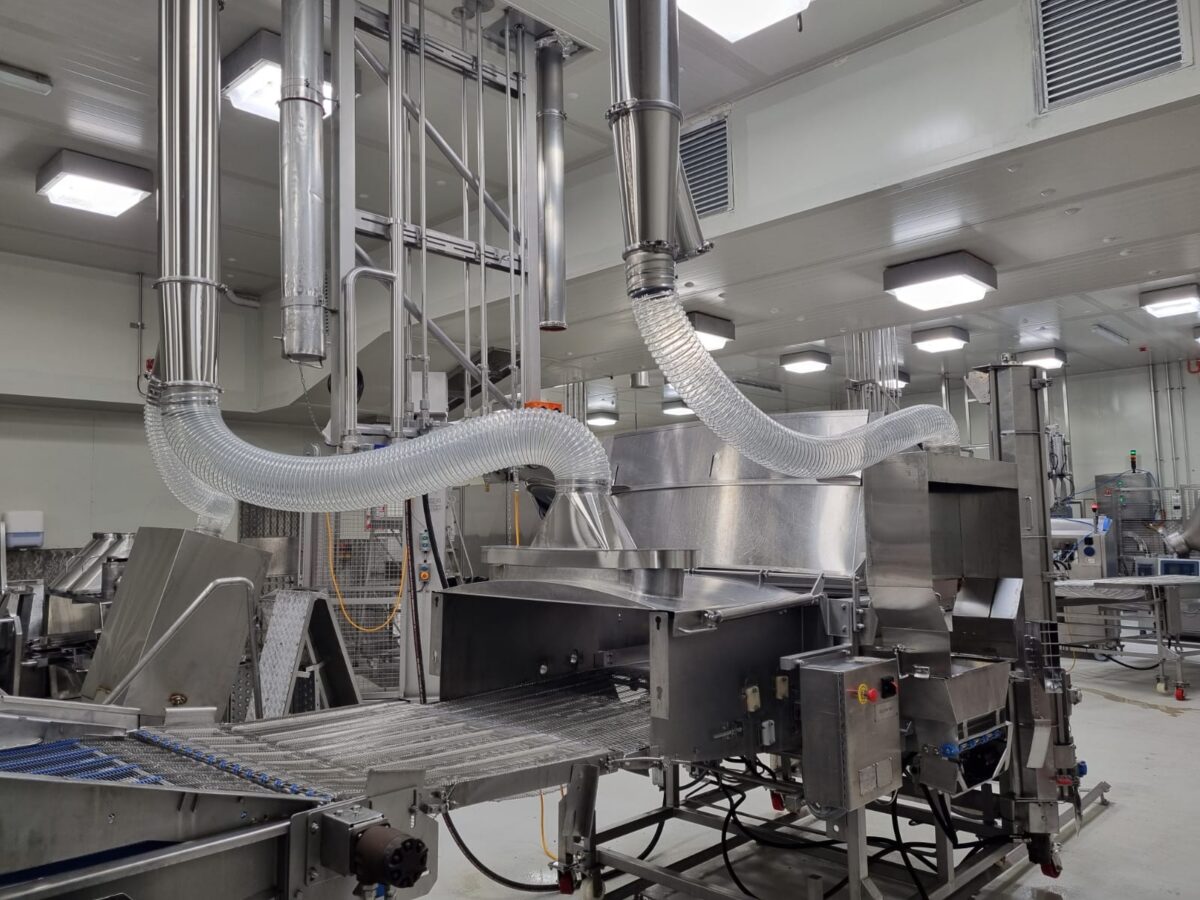
If you’re assessing a site and identifying dust, fume, or particulate exposure that needs an engineering solution, we’re always happy to work alongside your recommendations. Egmont Air designs and installs dust extraction, fume extraction, and local exhaust ventilation (LEV) systems for manufacturers throughout New Zealand, and we’re used to working from technical assessments and translating them into practical, compliant systems on the ground. If you’d like to talk through a site, a client’s needs, or what a proposed system might look like, get in touch — we’re straightforward to work with and happy to provide documentation to support your reporting.
Getting It Right, However You Get There
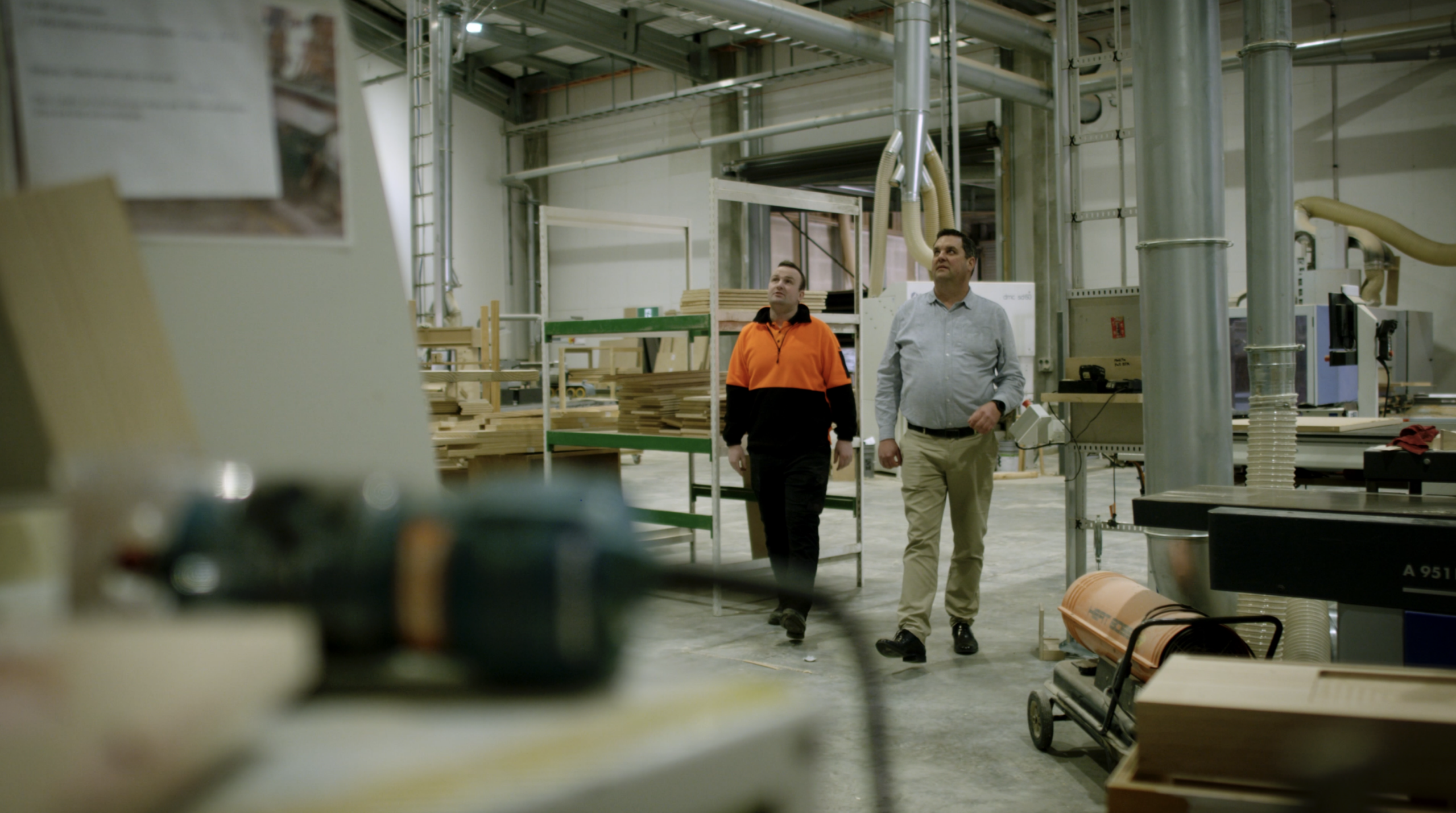
Whether you’ve had a formal assessment or you already know your site needs better extraction, the next step is the same: talking to people who design and install these systems every day. At Egmont Air, we’ve spent over 30 years helping New Zealand manufacturers create cleaner, safer, more productive workplaces — from single dust collection units through to complex multi-point LEV systems.
We’ll assess your site, talk through what’s actually needed (not oversell you on more than that), and design a system that fits your process, your space, and your budget.
Not sure where to start? Get in touch and we’ll help you figure out the right next step.
FAQs
Do I need an occupational hygienist before I can get dust extraction installed?
No. If you already know you’ve got a dust, fume, or particulate problem, you can go straight to sourcing an extraction system. An occupational hygienist is useful when you need to measure and document exposure levels, but it’s not a prerequisite for taking action.
What’s the difference between an occupational hygienist and a dust extraction company?
An occupational hygienist assesses and measures workplace exposure risks (dust, fumes, noise, and similar hazards) and provides independent recommendations. A dust extraction company like Egmont Air designs, supplies, and installs the physical systems that control or remove those hazards.
What industries typically need dust or fume extraction in NZ?
Manufacturing, joinery and woodworking, welding and fabrication, food processing, and automotive spray painting are among the most common — anywhere dust, particulates, or fumes are generated as part of the process.
How do I know if my current extraction system is good enough?
Signs it’s not up to scratch include visible dust build-up, persistent odours or fumes, staff discomfort, or equipment that’s aged or undersized for the space. An on-site assessment (from either an occupational hygienist or a specialist like Egmont Air) can confirm whether your system is doing its job.