Overview
Clean, safe air in industrial workplaces isn’t just a “nice-to-have.” New Zealand businesses must ensure that their industrial workshop air systems, from industrial dust extraction systems to fume extraction systems, are compliant with the latest NZ Workplace Safety Standards and WorkSafe NZ guidance. Failure to control airborne contaminants can lead to serious long-term health effects for employees, costly penalties and damage staff trust.
We break down the key elements of compliance and provide a practical checklist to assess whether your small workshop air systems and industrial workshop air systems truly protect your people.
Why Air Quality Compliance Matters
Airborne contaminants such as dust and welding fumes pose serious health risks for workplace environments. Dust can cause chronic lung diseases and silicosis and welding fumes have been classified as carcinogenic and can cause respiratory illnesses, cancer and other long-term health issues.
Under the Health and Safety at Work Act 2015, PCBUs (persons conducting a business or undertaking) are obligated to identify hazards, assess risk and implement controls to protect workers “so far as is reasonably practicable.”
WorkSafe NZ doesn’t just offer guidance. Worksafe inspectors actively assess New Zealand workplaces for adequate controls, including ventilation, dust removal, welding fume compliance and exposure monitoring.
Key NZ Workplace Safety Standards and Regulations
Health and Safety at Work Act 2015 (HSWA)
This law mandates the overall duty to eliminate or minimise health and safety risks, including airborne contaminants such as dust and fumes.
WorkSafe NZ Exposure and Control Guidelines
WorkSafe provides detailed guidance on managing airborne hazards, including dust and welding fumes. Organisations must control exposures to meet relevant Workplace Exposure Standards (WES) and apply appropriate extraction technologies.
What Industrial Air Systems Do You Need?
Here’s a breakdown of core systems that are essential for compliance in modern workshops:
Industrial Dust Extraction & Dust Extractor Systems
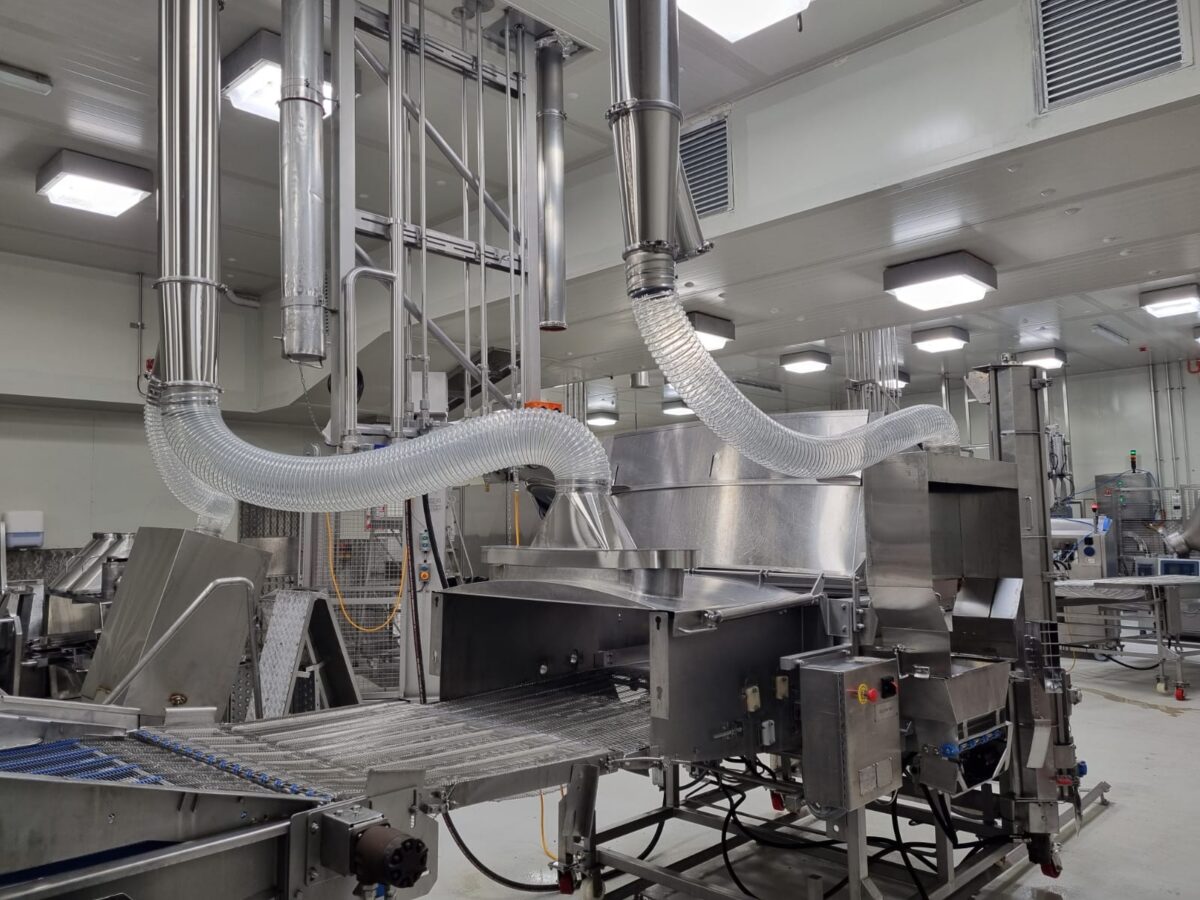
A robust industrial dust extraction system captures dust at the source before it becomes airborne. Components include:
• Dust extraction hoods positioned close to the work point.
• Extraction arms and ducting to transport dust away.
• Dust collector cartridge filter or dust cartridge filter units for effective capture and filtration.
• Reverse-pulse or reverse-air cleaning technologies to maintain airflow and filter performance.
Without appropriate dust extraction, fine particulates can accumulate, leading to respiratory damage and increased explosion risk in combustible dust environments.
Welding Fume Extraction Systems
WorkSafe specifically highlights the need for fume extraction systems in welding operations to reduce exposures to toxic metal fumes.
Fume extraction technologies for welding include:
• On-tool extraction directly at the weld point.
• Dedicated fume hoods and movable extraction arms.
• Local Exhaust Ventilation (LEV) tailored for welding tasks.
These systems must actively remove fumes at or near the source to support welding fume regulations and help you comply with welding fume regulations in your workplace.
Compressed Air Systems
Workplaces with compressed air systems must ensure lines such as the air compressor line and solid air line are designed with safety in mind:
• Avoid using compressed air to blow dust off people or surfaces as this can mobilise hazardous particles into workers’ breathing zones.
• Use compressed air only for its intended industrial purpose and after assessing risk.
Clean filters not only promote compliance but help the efficiency of both dust extraction and fume extraction systems. Always clean filters and replace them according to manufacturer recommendations.
An Air System Compliance Checklist
Use this checklist to evaluate whether your air systems are meeting current standards:
1. Risk Assessment Completed
- Has your workshop carried out a documented hazard identification and risk assessment for dust and fumes?
- Have risks been measured using professional air quality testing?
2. Appropriate Extraction is Installed
- Industrial dust extraction and dust extractor systems are fitted at all major dust sources.
- Fume extraction systems capture welding fumes at the source, with appropriate reach and capacity.
- Extraction arms and ducts are correctly sized and positioned.
3. Engineering Controls First
- Local Exhaust Ventilation (LEV) is prioritised over general ventilation wherever possible.
- Extraction hoods, arms, and fans are effectively removing contaminants.
4. System Performance and Maintenance
- Clean filters and replace dust collector cartridge filter elements according to recommended maintenance schedules.
- Check reverse-pulse or reverse-air systems are functioning to maintain performance.
- Ensure regular maintenance activities are documented.
5. Training and Worker Engagement
- Workers are trained in the use and limitations of small workshop air systems and Industrial workshop air systems.
- Staff know how to position themselves away from contaminants and use extraction equipment correctly.
6. Monitoring and Health Checks
- Exposure monitoring is in place to confirm the air meets Workplace Exposure Standards.
- Health monitoring (e.g. employee respiratory checks) occurs where required.
7. Documentation and Continuous Improvement
- Risk assessments, maintenance logs, and training records are up-to-date.
- A continuous improvement process exists for future upgrades or audits by WorkSafe NZ.
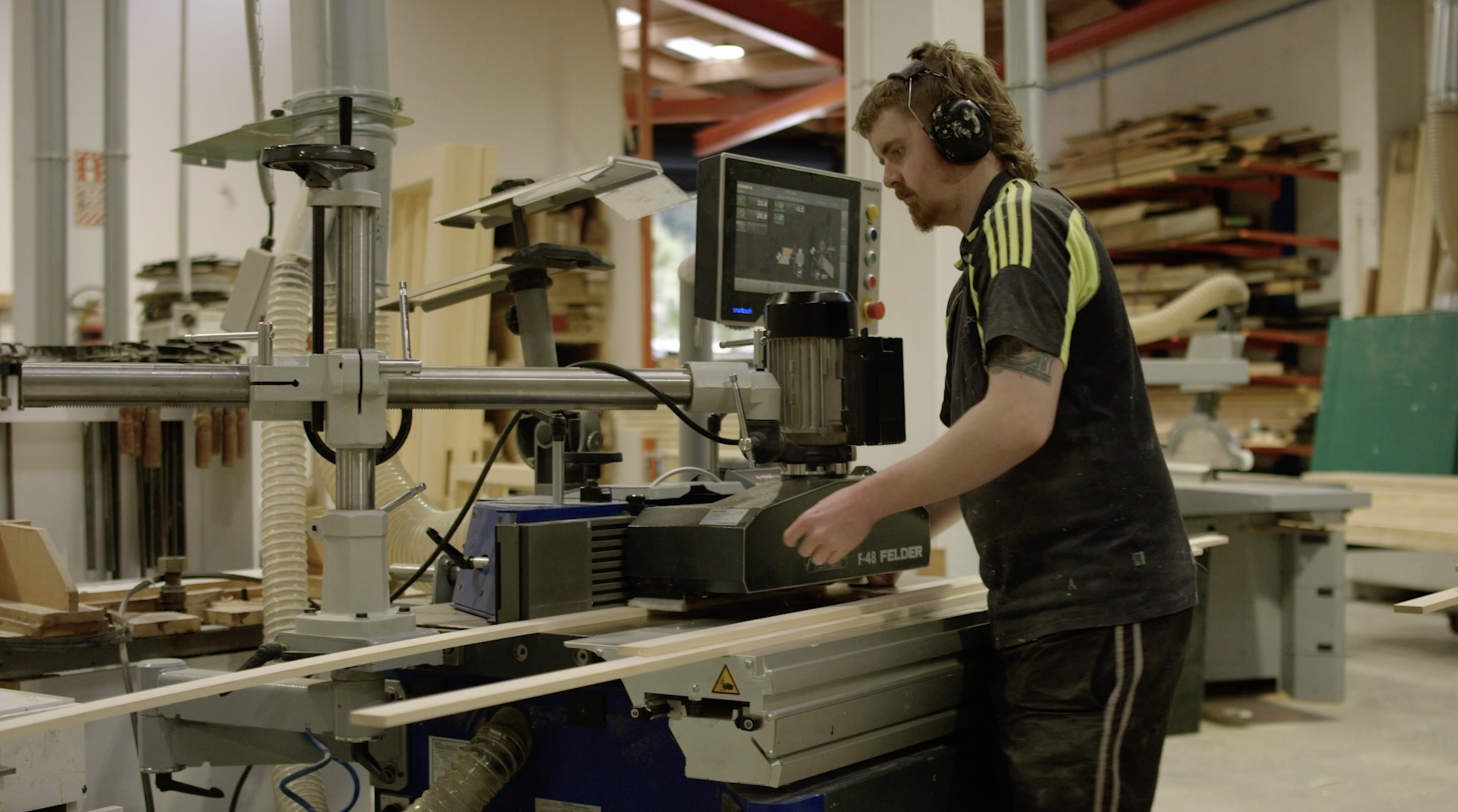
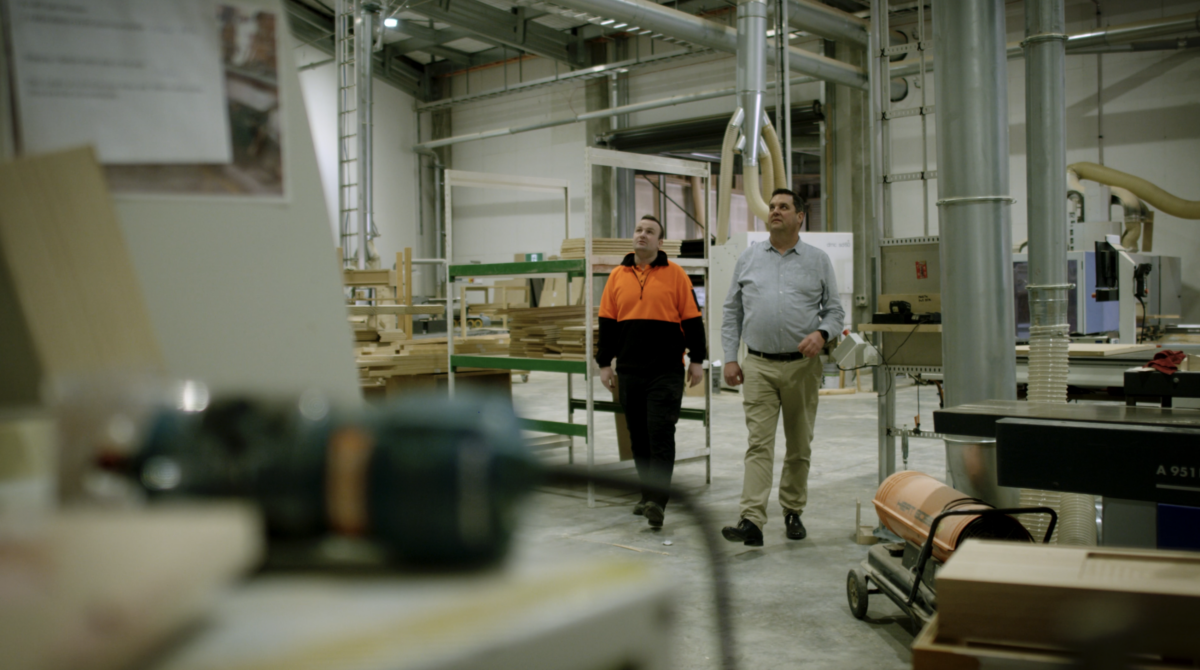
An advanced new extraction system has demonstrated their commitment to both production quality and their team’s health. With MDF dust and other airborne particles being genuine health hazards in the woodworking industry, a proper extraction system wasn’t just nice to have – it was essential.
The challenge was significant. The new factory required a new extraction system capable of managing a main duct extending over 60 metres while maintaining consistent suction across multiple machines. Mike Telfer, Managing Director of James Cook Joinery and his team did their homework, evaluating several companies before selecting Egmont Air.
“We went through a lot of design work with them,” Mike recalls. “I thought it was going to take weeks and a lot of downtime, but really, running through the main ducting and hooking up to the machines was just a couple of days. On a reasonable-sized factory like this, that was hugely impressive.”
Read more
Real-World Compliance Tips
Choose the Right Equipment
Not all workshop dust extractor or fume extraction units perform equally. Consider purchasing systems that are engineered for your workload and hazard type, and that offer effective filter technology such as HEPA or high-efficiency cartridge filters.
Track System Performance
Install gauges and airflow indicators to ensure your fume extraction system and dust extraction units continue operating at safe levels. Regularly review these metrics as part of your safety audits.
Empower Your Team
Even the best industrial dust extraction systems won’t help if workers don’t use them correctly. Provide hands-on training and make compliance part of day-to-day culture, not just a paperwork task.
Ensuring your workshop’s air systems are compliant with NZ Workplace Safety Standards in 2026 is about more than avoiding fines. It’s about protecting your people and securing your business’s future. From well-designed industrial dust extraction systems to robust welding fume compliance strategies, the right equipment and processes make air hazards manageable and measurable.
Use the checklist above, stay informed on NZ workplace safety guidance with Worksafe NZ, and make regular reviews part of your workplace health and safety routine. That way, your workshop won’t just meet standards, it’ll be a healthier, safer place to work.
Your Friendly Experts in Air Systems
Egmont Air is here to make sure your workshop stays clean, compliant, and productive. We’ve built long-term relationships by being honest, hands-on, and always on your side.
Need help figuring out the right setup for your space? Give us a call.